
Key Takeaways
- The traditional design handoff is inverting: Designers now submit pull requests using AI tools, and engineers review for architecture quality instead of design fidelity.
- Competence is free, differentiation isn't: AI coding tools produce competent but homogeneous interfaces. Human taste and judgment are now the scarce, valuable skills.
- Value before polish: Speed to value is winning right now. Prove the concept works before perfecting the surface.
- Empathy can't be automated: Customer research, synthesis, and the ability to understand what people don't say are where designers should double down.
- Static deliverables are dying: Interactive "talk to your data" tools get more engagement than decks sitting unopened in email.
Who This Article Is For:
Design leaders, product managers, and directors at mid-sized companies navigating AI's impact on their design and product development processes.
This morning I built ten features before lunch. Not mockups, not wireframes. Working, production-ready features. A cost tracking tool, an advisory hours tracker, and a full repo auditing system.
I'm not an engineer. I've never been an engineer. But with AI coding tools, I'm now shipping real software every single day, and it's changed how I think about design, engineering, and the entire process that sits between them.
Last week a former managing director at a top consulting firm texted me: "Dude, I think design has two years. It's getting destroyed."
He's half right. The old design process is dying. But design itself? It's about to matter more than ever.
📖 Table of Contents
1. The traditional handoff is inverting
For 20 years, the design process looked the same. Discover, define, design, develop. Designers made mockups in Figma, wrote specs, and handed them to engineers. Engineers built what was specified, designers reviewed, and everyone argued about what got lost in translation.
That entire flow is collapsing.
On my team, designers now pull down code repositories, make changes using AI tools, and submit pull requests. Engineers review those pull requests against technical architecture and code quality standards. It's a complete inversion of the traditional handoff, and it works because the friction point was never the skill gap. It was the translation layer.
When a designer can see their change running in a real browser, on real data, within minutes of thinking about it, the feedback loop tightens dramatically. You don't need a 40-page spec when you can just build the thing and show people.
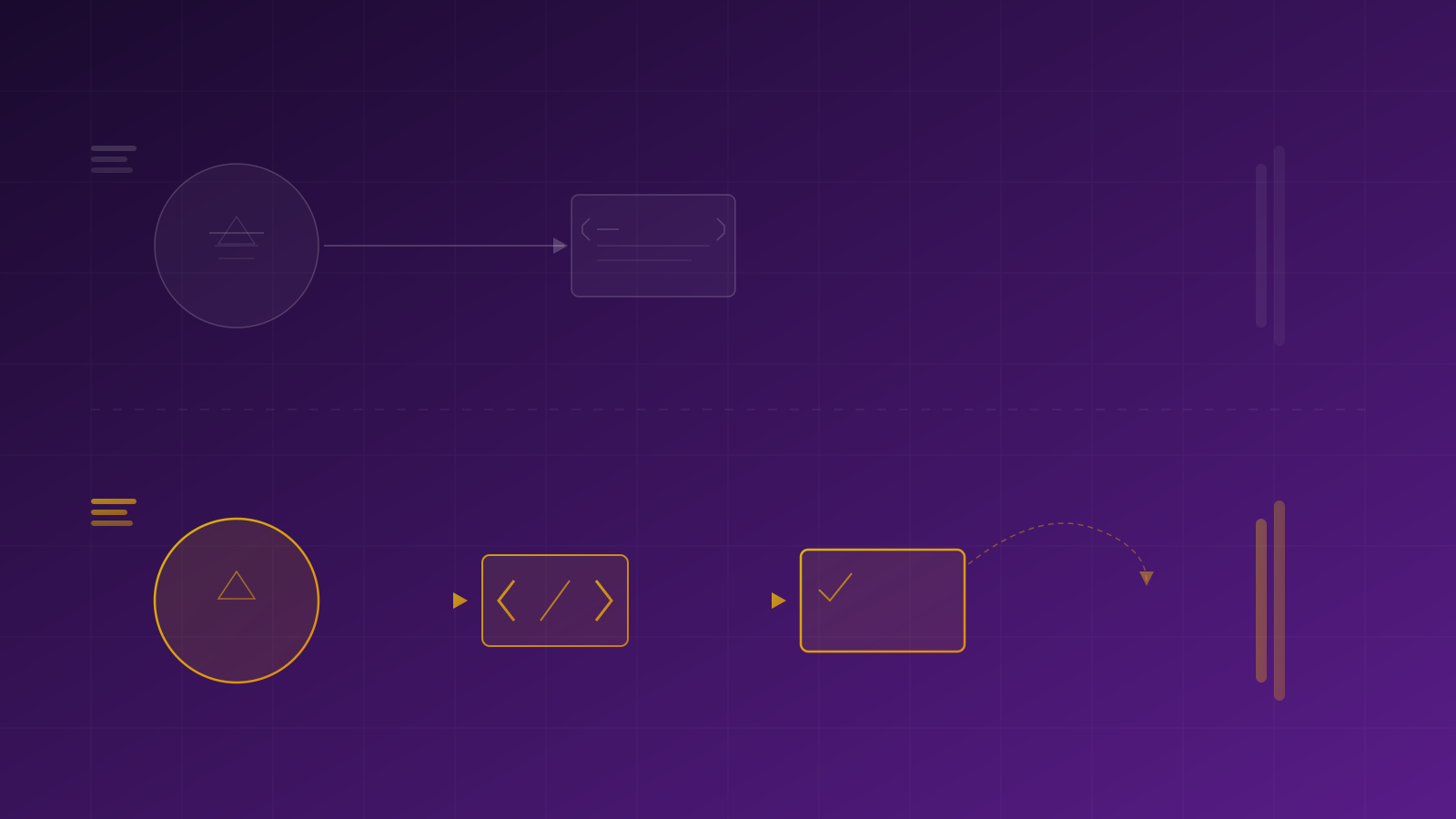
The traditional handoff is inverting
2. Competence is free now, differentiation isn't
One of our designers made an observation that stuck with me: "Everything looks the freaking same."
She's right. AI coding tools produce competent, clean, perfectly usable interfaces. They follow patterns, maintain consistency, and ship polished components. But they all look.. the same. The same card layouts, the same spacing, the same typographic hierarchy.
Competence used to be the hard part. Now it's free. What isn't free is taste, distinctiveness, and the kind of design judgment that makes someone feel something specific when they use your product. That's a human skill, and it just became dramatically more valuable.
The market is already sending signals. A globally recognized design speaker was laid off twice in succession. The roles disappearing aren't the ones focused on craft and judgment. They're the ones focused on production, the pixel-pushing, the spec-writing, the mockup-making.

When everything looks the same, differentiation becomes the real skill
WEEKLY NEWSLETTER
Get insights like this every week.
Join 380+ leaders getting practical AI and CX insights. No fluff, no spam.
Subscribe3. Rocks first, then sand
I keep coming back to a simple metaphor when explaining this to my team. Imagine you have a jar, a pile of rocks, and a pile of sand. If you put all the sand in first and then try to fit the rocks, they won't fit. But if you put the rocks in first, the sand fills in around them.
The rocks are core value. Does this thing work? Does it solve the problem? Can people use it? The sand is polish, the pixel-perfect spacing, the micro-interactions, the delightful transitions.
Speed to value is what's winning right now. It won't always be, but it is right now. The teams that put the rocks in first, that prove value before perfecting the surface, are the ones getting funded, getting traction, and getting results. The sand can always come later.
This doesn't mean quality doesn't matter. It means the sequence has changed.
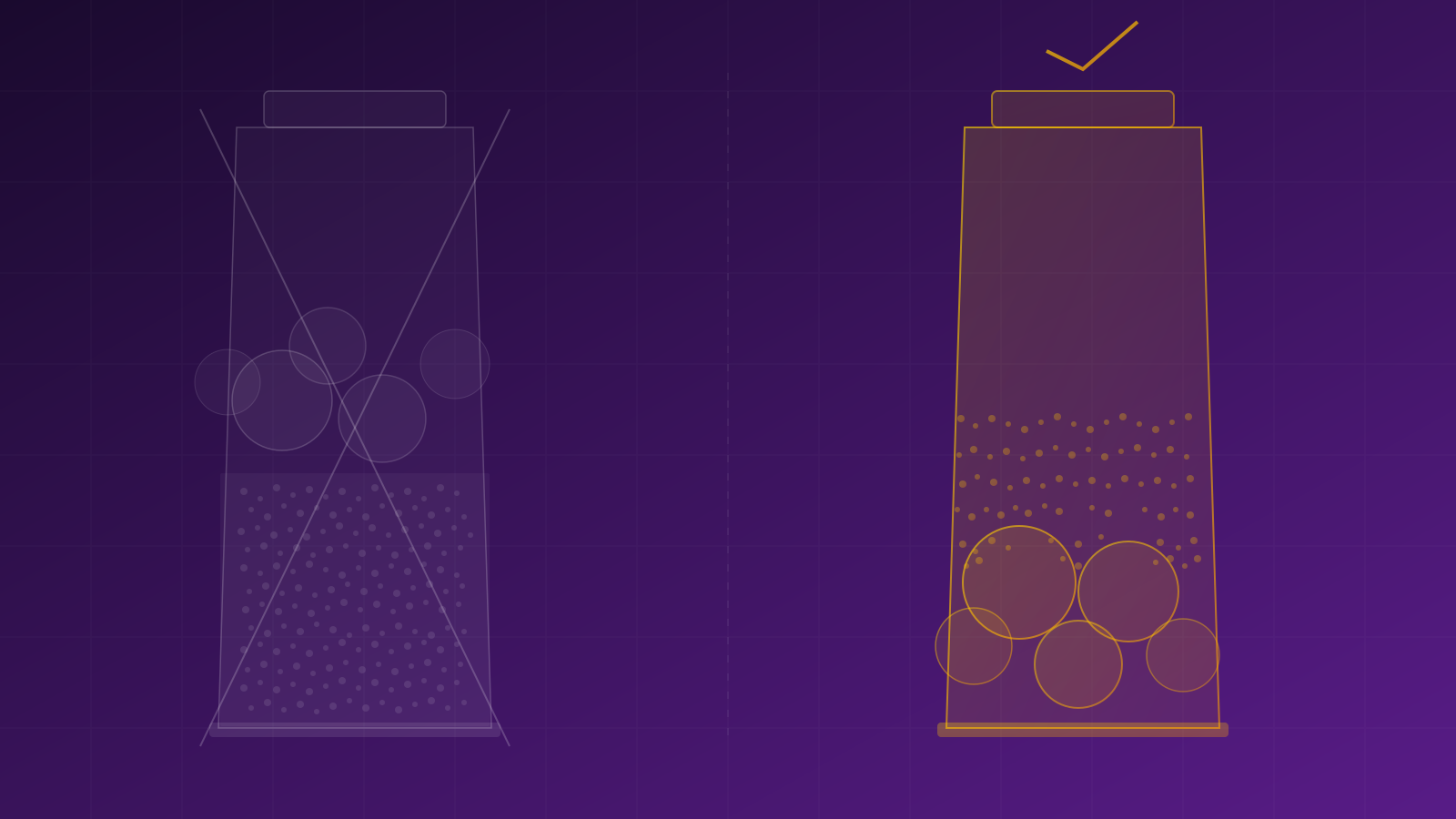
Rocks first, then sand fills in around them
4. What AI can't do (and where designers should double down)
One of our strategists pushed back on all of this during an internal session, and she was right to.
"There's a level of depth that you kind of just need to sit there with someone and listen to them," she said. "You need to watch their face when they describe a frustration. You need to catch the thing they didn't say."
Experience design, customer research, and synthesis still require the kind of human empathy that AI isn't anywhere close to replicating. Understanding why an executive gets emotional when describing their call center isn't something you can automate. Watching a non-technical user struggle with a workflow and understanding the root cause of that struggle requires presence.
This is where designers should be spending their time. Not making mockups. Not writing specs. Sitting with people, understanding problems deeply, and then using AI to rapidly test whether their intuition is right.
5. The deliverable needs to change too
Here's one more thing that's shifting. People don't read. I know that sounds harsh, but it's true. We send customers five-page decks, detailed experience blueprints, comprehensive research readouts.. and they sit unopened in email.
So we started building interactive tools instead. "Talk to your project" interfaces where customers can ask questions about their own project data, research findings, and process maps using natural language. No deck. No PDF. Just a conversation with their own information.
In our experience, people come back to the tool months later. They never come back to the deck.
If the old design deliverable was a mockup or a deck, the new one is a working prototype or an interactive knowledge tool. Something people can touch, question, and explore. Show, not tell.

Interactive deliverables beat static decks every time
Putting this into action
- 1. Have your designers build something real this week: Not a mockup. Something running in a browser. AI coding tools make this possible even for people who've never written code. The learning curve is days, not months.
- 2. Flip the QA relationship: Instead of designers handing specs to engineers, have designers make changes with AI and let engineers review for architecture and quality. The translation layer disappears and both sides learn faster.
- 3. Audit your deliverables: If you're still sending static decks and expecting people to read them, rethink the format. What could become interactive? What could become conversational? The medium matters as much as the message.
The path forward
The design process as we knew it is dead. The double diamond, the sequential handoff, the mockup-to-spec-to-build pipeline. It doesn't match how work gets done anymore.
But design, the real discipline of understanding people, making complex things simple, and building experiences that create value, that's alive and more important than ever. The designers who lean into this shift will become more powerful than they've ever been. The ones who cling to the old process won't.
If you're a design leader feeling anxious about all of this, that's normal. The answer isn't to resist. It's to redefine what your team's value actually is. Spoiler: it was never the mockups. Let's talk about what comes next.