Key Takeaways
- Tribal knowledge is the #1 blocker for AI initiatives: Most mid-sized companies can't adopt AI because their critical processes exist only in employees' heads, not in any system.
- The act of preparing for AI is more valuable than the AI itself: Discovery and documentation work during AI projects often delivers more ROI than the automation.
- AI scales human expertise, it doesn't replace it: The value of any AI tool is directly proportional to the quality of knowledge you can feed it.
- You don't know what you don't know: Teams frequently misidentify the problem they're solving because the real process has never been fully articulated.
Who This Article Is For:
Directors and VPs at mid-sized companies who are exploring AI adoption and want to understand why their initiatives keep stalling before the technology even enters the picture.
Not long ago my team sat down with a leadership group at a large, successful organization. We asked a simple question: "Can someone walk us through how scheduling works end-to-end?"
Silence.
Not because they didn't know. Because nobody knew the whole thing. One person understood the call center flow. Another knew who needed special handling. A third had the quirks of the scheduling software memorized. But all of it together? That lived in fragments across Word documents, system notes, and the heads of people who'd been there long enough to just know.
There were dozens of nuances inside the scheduling system that no single person could fully articulate. This wasn't a broken organization. It was a successful one. The knowledge was there, it just wasn't written down anywhere.
Here's the thing.. every mid-sized company we work with is paying this tax. They just don't see it on the balance sheet.
📖 Table of Contents
1. The invisible cost nobody budgets for
Tribal knowledge is the accumulated, undocumented understanding of how your business actually operates. Not how the process documentation says it works (if that even exists), but how people really do things day to day.
It's the scheduler who knows Dr. Martinez only sees ACL patients on Tuesdays. It's the account manager who knows the real reason a customer churns isn't the product, it's the onboarding. It's the operations lead who carries the entire returns process in their head because they built it eight years ago and nobody ever wrote it down.
This knowledge is your company's most valuable and most fragile asset. When someone leaves, goes on vacation, or just has a bad day, that knowledge becomes unavailable. And the cost compounds silently over time through slower decisions, repeated mistakes, inconsistent experiences, and teams that can't agree on how their own process works.
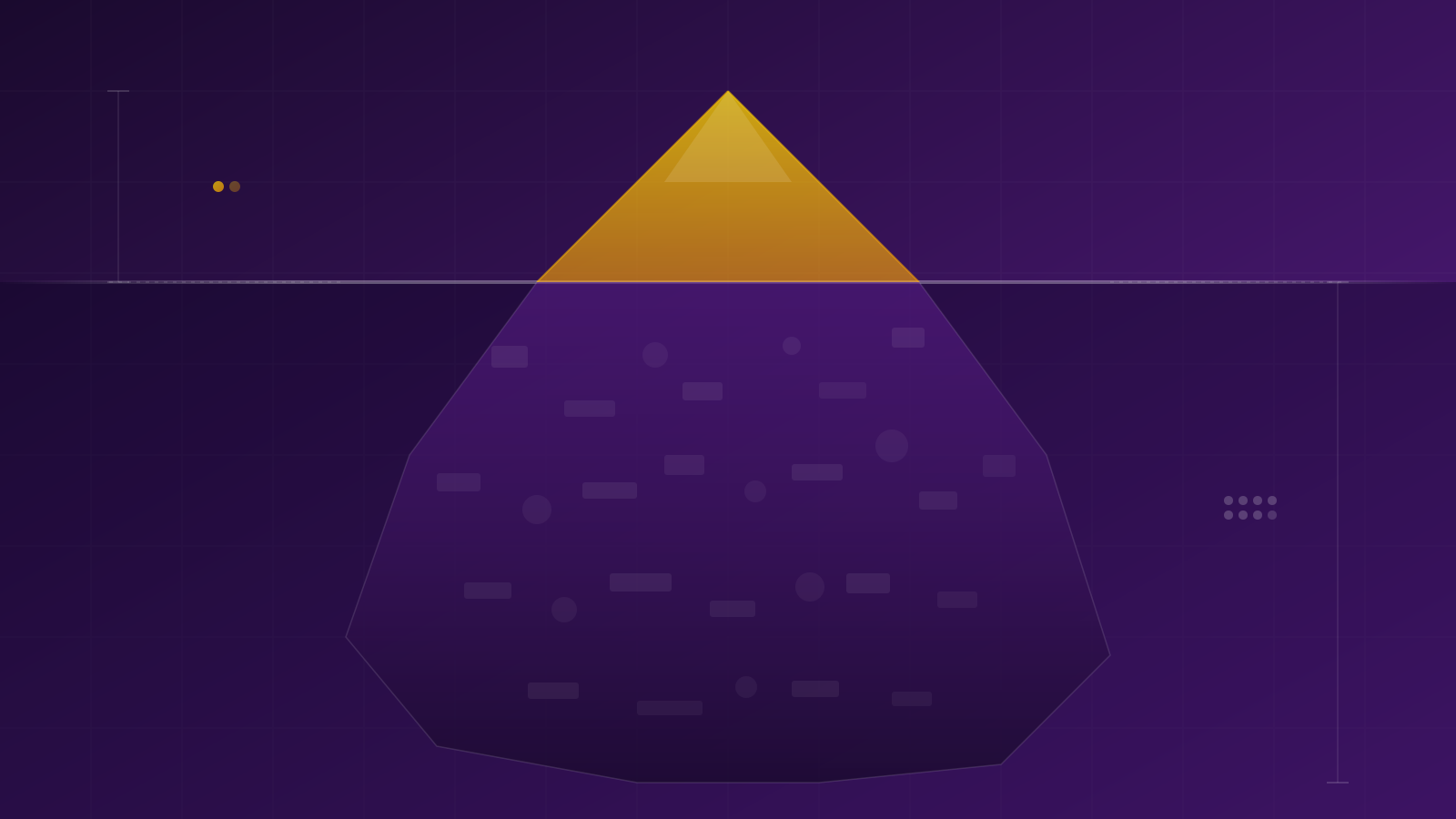
The visible process is just the tip of the iceberg
2. AI forces the conversation you've been avoiding
Here's where it gets interesting. When companies come to us wanting to "use AI," the first thing we do isn't build anything. We listen. We interview. We map the experience.
And almost every time, we uncover that the real blocker isn't technical. It's that nobody has externalized what they know.
I was on a call where we'd just finished a discovery phase. We'd identified a large amount of weekly manual work that could be partially automated. But when we tried to map those processes, the teams couldn't agree on how things actually worked. Different people described the same workflow in completely different ways.
I told them straight: "None of that stuff is documented. We've captured as much of it as we possibly can, but someone's going to need to go look under every rock and find all the other little gory details."
The AI project became a documentation project first. And that documentation turned out to be more valuable than the automation itself.
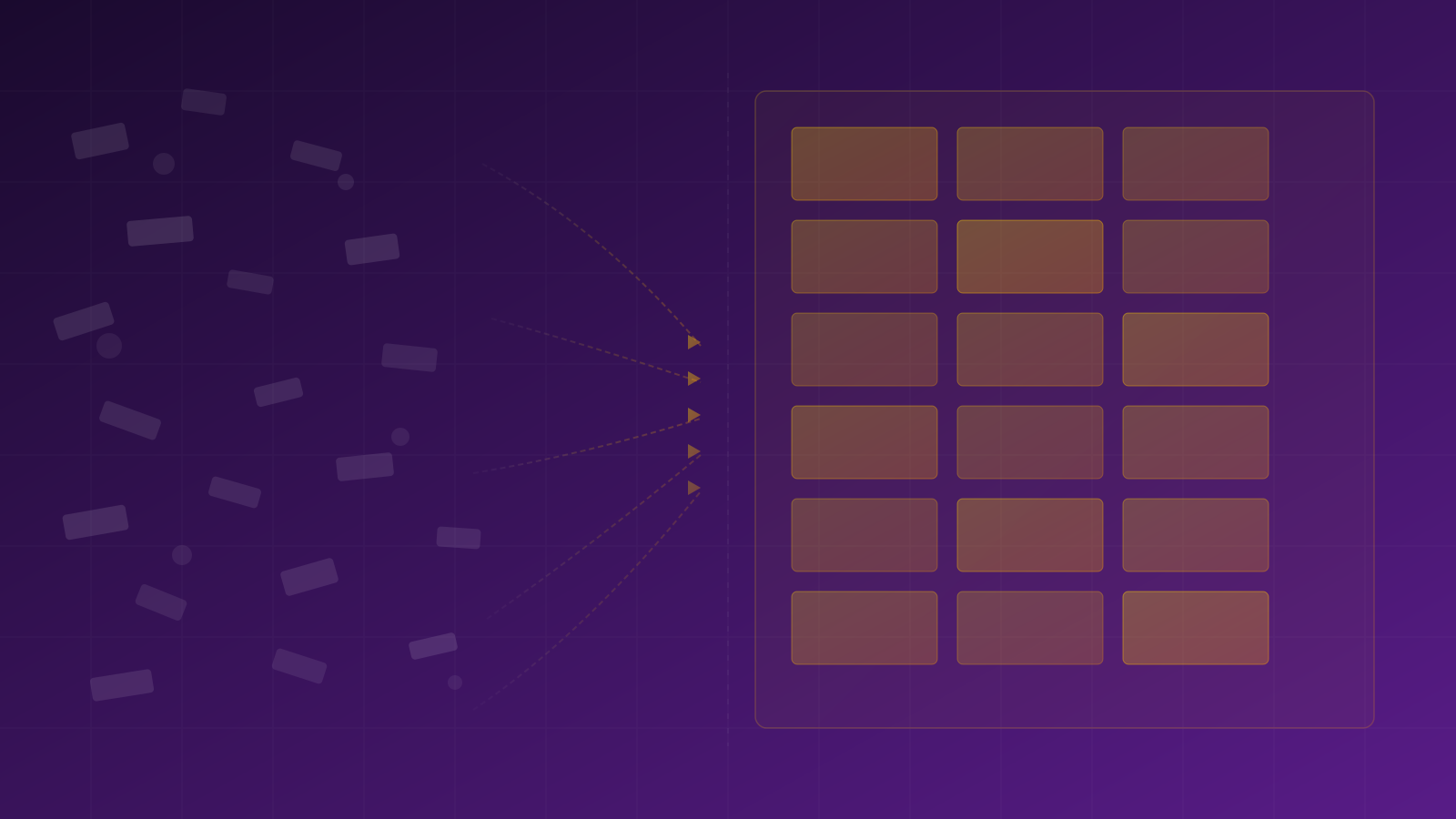
From scattered fragments to structured knowledge
AI SANITY CHECK
Where does your AI maturity actually stand?
Take our 2-minute diagnostic and get a personalized AI maturity assessment with a 30-day action plan.
Take the AI Sanity Check3. The secret sauce is always the people
I talked to a school founder recently who wanted to build an AI math tutor. Not a generic one, but one trained on her teachers' real methods. The way her team explains fractions, the specific analogies they use, the order they introduce concepts.
I told her: "The hardest part is getting stuff out of y'all's heads. You all are the secret sauce. You are the reason why."
Step one wasn't building anything. It was literally "sit down, hit record, and brain dump how you think about teaching math." Because the AI's job isn't to replace what the teachers know. It's to scale it.
This pattern shows up everywhere. The value isn't in the AI model. It's in the knowledge you feed it. And if that knowledge only exists inside people's heads, you can't feed it to anything.
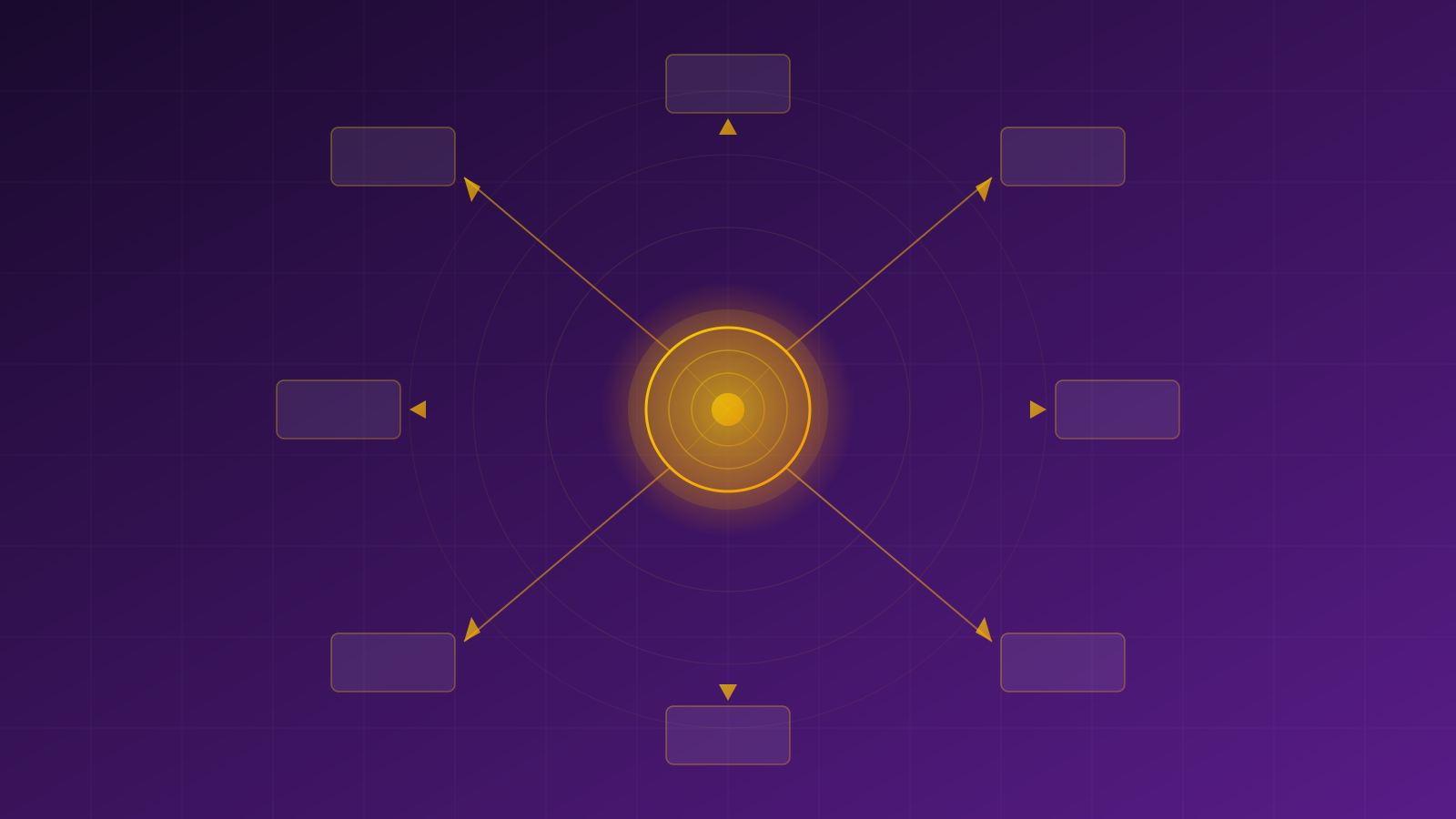
Externalizing what people know into structured artifacts
4. You don't even know what you don't know
The sneakiest version of this problem is when teams think they've defined the work, but they've actually defined the wrong problem.
Say a team asks for what they describe as a "scheduling tool." Replace a clunky legacy system with something modern. Straightforward, right?
Except during discovery, a designer stops and says: "It's really not even scheduling, it's planning." The real need isn't putting meetings on a calendar. It's forecasting how capacity lines up with incoming work and figuring out resource allocation weeks in advance.
That insight didn't come from reading documentation. It came from sitting with people, asking questions, and peeling back the layers of tribal knowledge that nobody had articulated before. The problem they describe and the problem they actually have are two different things.
Putting this into action
If you're thinking about AI, don't start with the technology. Start with the knowledge.
- 1. Pick one critical process and record it: Find the workflow that only two or three people truly understand. Sit them down separately, hit record, and have them walk through it step by step. You'll be surprised how differently they describe the same process.
- 2. Look for the "oh, and also" moments: The real complexity lives in the exceptions, the edge cases that people handle instinctively. When someone says "oh, and if it's this type of customer, we do it differently," that's the tribal knowledge you need to capture.
- 3. Treat documentation as the first AI deliverable, not the prerequisite: Don't wait until everything is perfectly documented to start an AI project. Use the AI project as the forcing function to finally get the knowledge out of people's heads and into a form that both humans and machines can use.
The path forward
The tribal knowledge tax is real, and it compounds every quarter you ignore it. But here's the great news: you don't need a massive transformation program to start paying it down. You just need to start externalizing what people know.
The companies that figure this out won't just be "AI-ready." They'll be more resilient, more consistent, and less dependent on any single person's memory. That's valuable whether you build an AI tool or not.
If you're in the middle of an AI initiative and feeling stuck, there's a great chance the bottleneck isn't technical. It's knowledge that hasn't been captured yet. Start there.